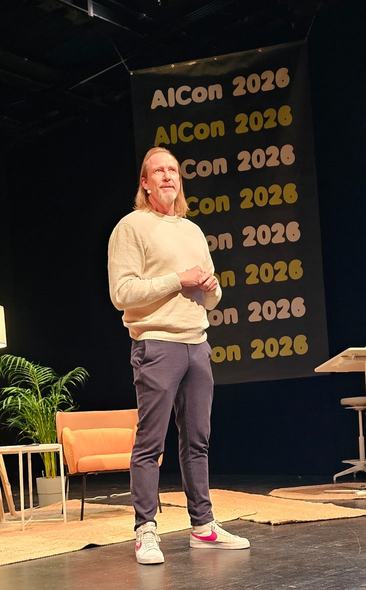
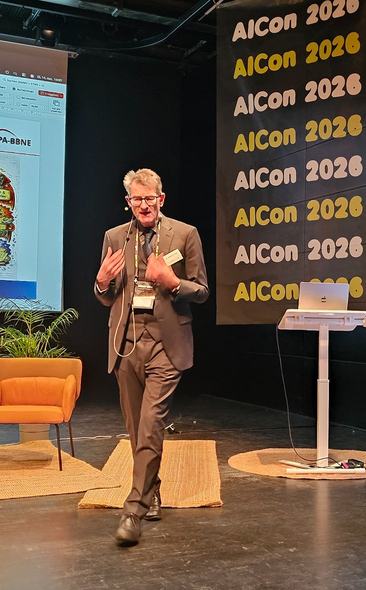
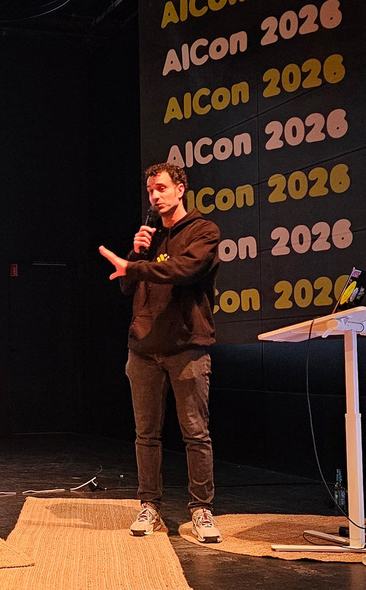
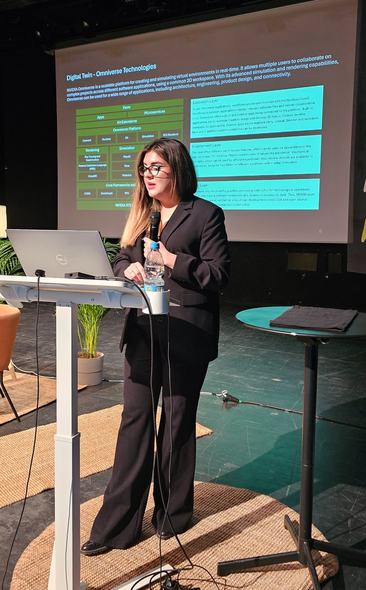
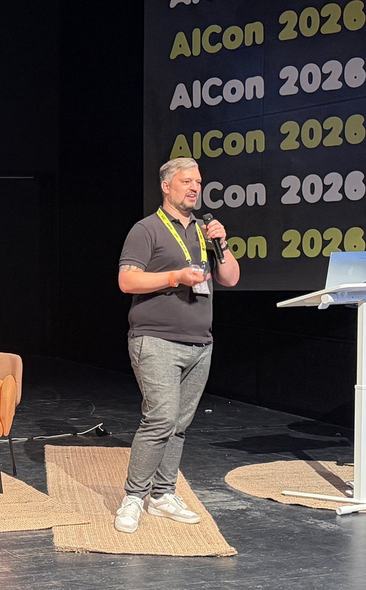
AI writes code. We continue to write tickets, plan sprints, and work through backlogs. Is this the future of software development, or are we just automating the past?
This keynote doesn't just scrutinize individual tools but puts the entire value chain to the test: from identifying a problem to product decisions and implementation, through to operation and measuring actual benefits. The thesis: building AI into existing processes falls short. We need to question why these processes look the way they do.
What becomes the bottleneck when implementation limits less and less what we can build? What still distinguishes a company from its competitors when its software functionality becomes increasingly easy to replicate? And what role do tickets, sprints, and releases play when agents derive improvements from usage data, implement changes, and make them ready for review?
The talk examines three shifts: from code to context, from backlog to continuous learning cycle, and from software ownership to true differentiation. It also reopens “build vs. buy”: buy what is interchangeable, but not what defines you. As individual solutions become easier to create, we have to decide anew where standard software is useful and where custom software creates strategic value.
However, the biggest break might not lie in the code but within our organizations. Between technical possibilities and actual usage stand decision-making paths, role definitions and processes that were developed for a different reality. What must we change so that technical speed truly results in more value?
A keynote for everyone who doesn't just want to build more software faster, but wants to rethink what we build, how we learn, and which parts of previous software development we will still need tomorrow.